The Gen3 Electronic Body Protector is Revolutionizing Taekwondo
  • Taekwondo WT
  • Taekwon-Do ITF
  • Karate
  • Judo
  • About Daedo
    • Daedo
    • Team Daedo
  • Store online
  • English
    • Español
    • English
  • Taekwondo WT
  • Taekwon-Do ITF
  • Karate
  • Judo
  • About Daedo
    • Daedo
    • Team Daedo
  • Store online
  • English
    • Español
    • English

Martial Arts

  • Taekwondo
    • October 31, 2024

    The Gen3 Electronic Body Protector is Revolutionizing Taekwondo

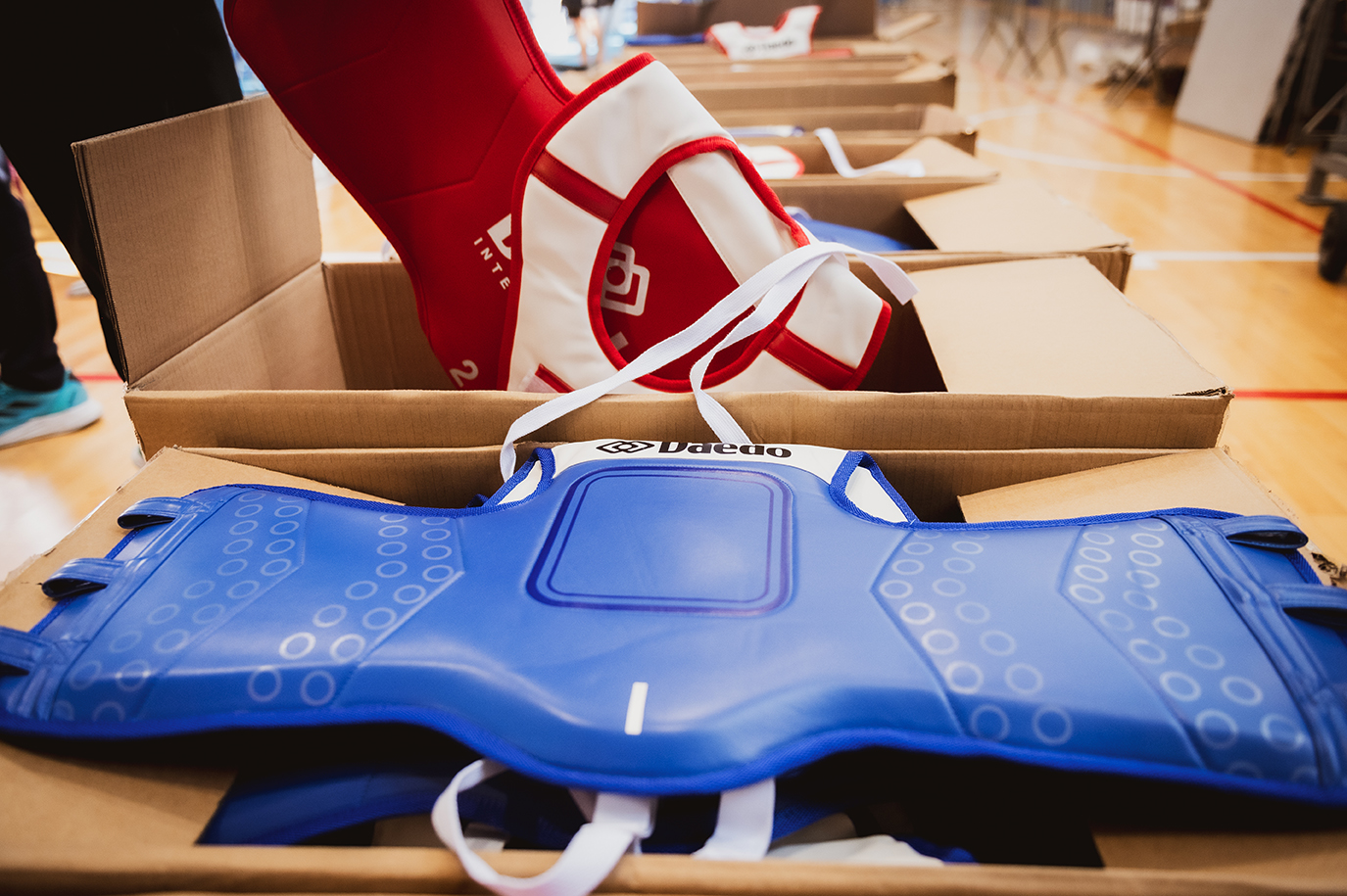
    Taekwondo is one of the fastest-evolving disciplines to integrate technology into its core, giving rise to the electronic body protector. Originally designed for protection, today this gear ensures fairer and more accurate scoring. Daedo, recognized by World Taekwondo as an official supplier, continues to demonstrate its leadership in technological innovation within taekwondo.

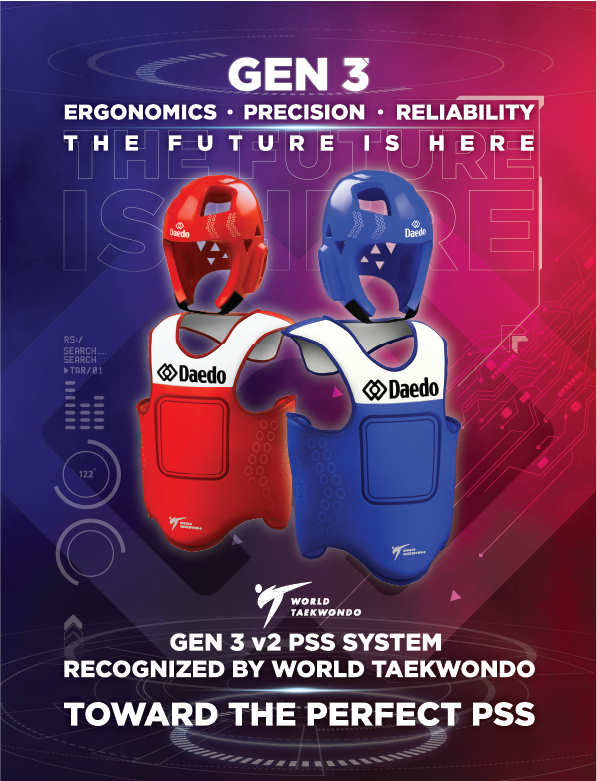
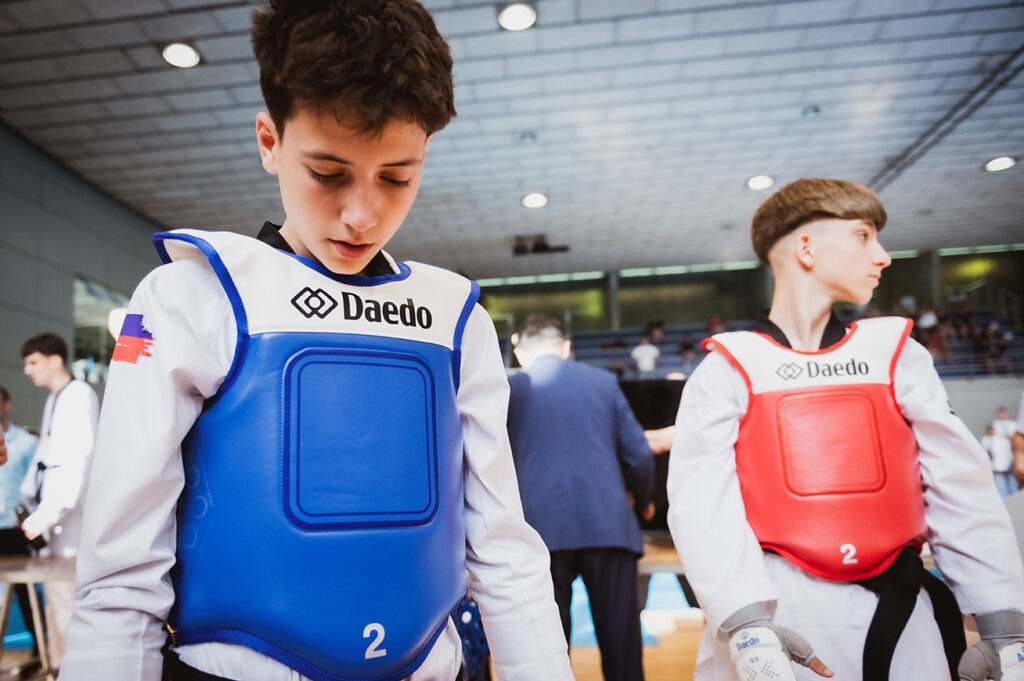
    The Daedo Gen3 electronic body protector, officially approved by World Taekwondo, stands as a tool that meets the highest standards of quality and accuracy for international competitions. The launch of the Gen3 offers both professional and amateur athletes an unparalleled level of precision, surpassing the Gen2. Discover how the Gen3 is transforming taekwondo competition.

    Thanks to its extensive infrastructure, Daedo has a wide network of distributors in over 70 countries worldwide, ensuring that the Gen3 electronic body protector is available to athletes everywhere. This guarantees that competitors across the globe have access to cutting-edge technology and the high quality that the Gen3 offers, regardless of their location.

    History of the Electronic Body Protector in Taekwondo

    Since the introduction of the protective body protector in 1963 in Korea, this equipment has adapted and evolved to protect competitors. The integration of electronic sensors began with the goal of eliminating scoring disputes and improving the transparency of the arbitration system.

    Daedo, as a pioneering brand in sports technology development, revolutionized the sport by integrating electronic sensors into its vests, allowing for real-time measurement of the power of strikes and thus eliminating disputes in scoring. Thanks to this innovation, taekwondo secured its status as an Olympic sport.


    The first appearance of electronic vests at the Olympic Games was in London 2012, where Daedo established itself as the official supplier. It continued to do so in Rio 2016 and Tokyo 2020.

    What Makes Daedo’s Gen3 the Best Choice?

    The Gen3 electronic body protector raises the standard in every way, offering key improvements such as advanced functionality, greater accuracy, reliability, and consistency. This model is designed to adapt to the demands of modern taekwondo, meeting the high standards of athletes and tournaments at the elite level.

    Key Innovations of the Gen3

    Integrated Fist Sensor

    The Gen3 integrates a specific sensor in the glove that detects punches within the designated area of the body protector. Depending on the intensity of the punch, the impact is detected by the referee’s joystick, which must assess the attack. This improvement prevents incorrect validation of improperly executed punches.

    Improved Joystick

    Unlike the Gen2 model, the Gen3 joystick features a vibration system that alerts judges when the body protector’s sensor detects a punch. The intensity of the punch is automatically recorded, and the joystick vibrates to notify the referees, who only need to assess the technique to validate the point. This advancement optimizes the arbitration experience, making point validation faster and more precise.

    Lighter Weight, Flexibility, and Ergonomics

    The lightness and ergonomics of the Gen3 offer a key advantage. Its design makes it 30% lighter than the Gen2, reducing the competitor’s fatigue. Additionally, its increased flexibility allows athletes to perform kicks and punches more freely and at varying heights.

    Improved Instep Sensors

    The Gen3 instep model once again adapts to the World Taekwondo regulations by increasing the number of sensors from 11 to 15. This allows for more accurate detection of foot impacts on the helmet. In this way, the Gen3 responds better to various kicks and ensures precise detection.

    Spin Sensor to Reward a More Dynamic Taekwondo

    The purpose of incorporating a spin sensor is to detect and reward rotational kicks. This way, athletes using more dynamic movements, rather than static moves, will be rewarded. This feature adds dynamism to the combat, preventing both participants from relying solely on front-leg attacks, which resemble fencing techniques.

    Optimized Impact and Proximity Sensors

    The proximity and impact sensors have been optimized to record strikes with greater precision. This ensures that each hit is faithfully registered, aligning with the strictest international competition standards.

    Wireless Transmission with High Interference Resistance

    In environments with multiple electronic devices, wireless data transmission can be challenging. The Gen3 has improved its transmission system, ensuring stable communication at all times, crucial in high-level tournaments.

    Selectable Frequency Range

    The option to select different frequency ranges is another advantage of the Gen3, helping to avoid interference in highly saturated environments with dense radiofrequency traffic. This feature makes the system ideal for massive competitions.

    A Step Towards the Future of Taekwondo: Gen3, the Champions’ Choice

    Daedo’s Gen3 electronic body protector has elevated taekwondo to a new level of professionalism and precision. With high-precision sensors, improved connectivity, and new technologies, the Gen3 is an essential tool for elite taekwondo athletes. Now available for purchase online, the Gen3 presents itself as the ideal choice for those seeking better performance and fairer scoring in every match.

    With the Gen3, Daedo demonstrates that it remains at the forefront of innovation in Taekwondo. Without a doubt, this electronic body protector will be a key component in the competitions of the upcoming Olympic cycle and in World Taekwondo events, establishing itself as the reference equipment for future champions.

    Leer más
  • Taekwondo
    • October 21, 2024

    Virtual Taekwondo: The Future of Martial Arts Training

    The world of Taekwondo is about to undergo a radical transformation with the launch of the Virtual Taekwondo Set for 2 players (VTKD), an innovative system that combines the best of virtual reality with the essence of martial arts. This product, officially distributed by Daedo in collaboration with Refract Technologies and the World Taekwondo Federation, is a revolutionary tool that promises to change the way practitioners train and compete. Ideal for dojangs, martial arts clubs, and gyms looking to apply Taekwondo techniques in the virtual world.

    You may also be interested in

    • Barcelona Test Gen3: Key for the Junio Taekwondo World Championship 2024

    What is Virtual Taekwondo?

    Virtual Taekwondo is an advanced system that brings Taekwondo into the virtual environment. It uses motion capture and gamification to simulate combat. It is currently being sold on Daedo’s official website for €3,630. This set offers a balanced playing field for competition without physical contact, yet with the intensity of a real fight.


    The system uses AXIS, technology that translates movements in real-time into the virtual environment. This allows players to practice their skills and techniques in simulated matches. Every strike and block is measured with precision.


    What makes Virtual Taekwondo unique is that it levels the playing field. Age, gender, or weight of the player doesn’t matter. What counts is technique, strategy, and speed.

    Key Features

    The Virtual Taekwondo Set comes equipped with a series of features that make it unique in its category, providing a complete experience for both coaches and students. Some of the most notable features are:


    – Immersive virtual arena: Combat takes place in a digital environment with multiple camera angles, offering a comprehensive view of every movement and strategy.


    – Customizable characters: Players can choose between male or female characters, adding a personal touch to each match.


    – Match duration: Matches last 90 seconds per round, and players can opt to compete in the best of 3 or 5 rounds.


    – Constant updates: Daedo offers a free monthly subscription in the initial period, ensuring that the Virtual Taekwondo software is always updated with the latest improvements.


    – Advanced user management: Accounts are linked to dojangs or clubs, facilitating supervision of students’ progress and performance in virtual competitions.

    What Does the Virtual Taekwondo Set Include?

    The Virtual Taekwondo Set is designed to be a complete solution that includes all the necessary elements to start training immediately. The set includes:


    – Two AXIS systems: equipment that captures and translates players’ movements into the virtual environment.

    – Two virtual reality glasses and controllers (PICO 4): players are fully immersed in the digital environment with these virtual reality devices.

    – The software: essential for a seamless experience and can be updated.

    – Complete accessories: Everything necessary for installation and immediate use is included in the set.


    The set requires a specific space of 40-50 m², free of obstacles, to ensure that players have the appropriate range of motion. Additionally, it is recommended to have a referee or game master to supervise the matches and ensure that the rules are followed at all times.

    Technical Requirements

    To ensure the best performance, Virtual Taekwondo requires certain minimum hardware and connectivity requirements. These include:


    – Gaming laptop: Windows 10 or higher operating system. An Intel Core i7-12700H CPU (or any equivalent or higher). An RTX 3050 graphics card (or any equivalent or higher). DirectX version 12. 16GB of RAM memory and 60 GB of available storage space.


    – Router: AX3000 bandwidth or higher is highly recommended to ensure a stable connection. Wi-Fi 6 Internet connection is essential along with a 5 GHz connection only to provide optimal speed.


    – Obstacle-free space: The minimum recommended area is 40-50 m², with two 4×4 meter combat zones, preferably equipped with Taekwondo mats.

    Benefits for Dojangs and Gyms

    Virtual Taekwondo not only optimizes Taekwondo training but also offers several additional benefits, making it an attractive investment for dojangs, martial arts clubs, and gyms. Some of these benefits include:


    – Monetization through eSports: Clubs can organize eSports events and stream matches online, opening up new business opportunities.


    – Advanced training: The system offers precise data and realistic simulations, allowing coaches to improve their students’ skills more effectively.


    – Gamified experience: Gamification makes training more fun and engaging, increasing students’ motivation and commitment.

    Virtual Taekwondo in eSports and the Road to the Olympics

    Virtual Taekwondo is also designed to become a competitive eSport. During the 2023 Olympic Esports Week, the first official Virtual Taekwondo tournament was a great success and attracted global attention.


    International Olympic Committee President Thomas Bach praised the potential of virtual sports. For his part, World Taekwondo Federation President Dr. Chung-Won Choue hopes that Virtual Taekwondo will become a medal event at the Los Angeles 2028 Olympic Games.


    Additionally, Daedo offers discounts and additional support for the first clubs and dojangs that adopt Virtual Taekwondo.

    Why Choose Virtual Taekwondo?

    Virtual Taekwondo represents a true revolution in martial arts training. Its combination of virtual reality and gamification makes it a unique and immersive experience. Both coaches and students can take advantage of this tool to improve their skills.


    Now, training is no longer limited to traditional practices. Virtual Taekwondo allows practitioners to explore new forms of learning and competition. In addition to enhancing physical skills, the system prepares athletes for a new era of virtual sports.

    Virtual Taekwondo is the future of martial arts training. Its advanced technology and innovative approach make it an attractive investment for any dojang or gym. From the first competition to the Olympics, it is destined to leave an indelible mark on Taekwondo.

    Leer más
  • Karate
    • October 17, 2024

    How to Choose Your Karategi

    If you’re thinking about starting karate and don’t know how to choose your karategi, here are some basic recommendations. The first thing to consider is that there are different types of karategis, each designed for specific uses within the practice.


    Karategis mainly vary depending on the type of training: some are more suitable for everyday practice, while others are designed for kumite (sparring) or kata (forms). There are also differences based on your level as a practitioner: beginners usually use simpler models, while intermediate, advanced, or competitive practitioners require more specialized karategis. The right choice will depend on your needs and goals in karate.

    General Training Karategi

    This is the most common type of karategi and is intended for daily training at the dojo or club. It’s designed for regular practice of basic techniques, kumite, and kata without competition purposes. Its main characteristics are:


    – Lightweight and comfortable for easy movement.

    – Made of cotton or a cotton-polyester blend.

    – Suitable for both beginners and intermediate practitioners.


    Within this category are also those known as “Kohai” (apprentice), “New Ipon” (basic), and “Shodan” (first degree).

    Click here to choose your karategi training

    Kumite Karategi

    The kumite karategi is specifically designed for kumite (sparring) practice, where greater agility and freedom of movement are needed. Its main features are:


    – Extreme lightness: its fabric is thinner to facilitate fast movements and reduce air resistance.

    – Looser fit: so that the karategi doesn’t interfere with sparring and allows the user to move easily.

    – Usually made of polyester.

    Click here to choose your karategi of kumite

    Kata Karategi

    The kata karategi is designed for the forms or established movement patterns of karate. It is mainly used for kata competitions, where precision and presentation are crucial. Its distinctive characteristics are:


    – Thicker, heavier fabric: gives the uniform more structure, providing better presentation during kata execution.

    – Wider cut: allows for larger movements with greater precision.

    – It often makes a characteristic sound during fast movements, which highlights the technique in competitions.

    Click here to choose your karategi of kata

    Key Differences in Karategis

    – Fabric weight: karategis can be classified as lightweight, medium, or heavyweight, depending on whether they are designed for kumite or kata.


    – Cut: the cut can be tighter (for kumite) or looser (for kata), depending on the practitioner’s needs.


    – Regulations: karategis for official competitions must comply with specific federation regulations, such as measurements, color, and logo.

    In short, to choose the right karategi, you should consider the type of practice you will do and your level as a practitioner. If you are a beginner or are looking for a karategi for general training, opt for a light and comfortable one, suitable for daily use in the dojo. If your focus is on kumite, you will need a lighter and looser karategi that allows you to move with agility in combat. On the other hand, if you practice kata, it is best to choose a karategi with a thicker fabric and a wide cut that highlights your movements during execution. Also, if you plan to compete, make sure that the karategi complies with the federations’ regulations. The right choice will depend on your specific needs and karate goals.

    Leer más
  • Karate
    • October 14, 2024

    How to Reinvent Yourself at 40 by Practicing Karate

    It’s never too late to start training, and karate is an excellent option, even at 40!

    If you’re considering getting back into exercise, karate might be exactly what you need. Unlike other more aggressive sports, this discipline adapts to any age and fitness level. It doesn’t matter if you’ve never practiced it before or if you did years ago, you can always start again safely and without pressure. In fact, there are people who begin at 30, 40, or older and continue training for decades.

    We know that after 30, changing habits can be challenging. Your body is already used to certain routines, and sometimes the fear of not having the same energy as when you were younger becomes an obstacle. You might justify it by saying, “I’m not 20 anymore!” or “I used to play sports when I was younger, but I can’t now.” But those are just excuses that limit you. The real obstacle isn’t your age, but how you approach change. Karate doesn’t require you to train as if you’re competing right away. Instead, it adapts to your level, lets you progress at your own pace, and most importantly, allows you to enjoy the process.

    What can karate do for you at 40?

    – Strengthen your body: You’d be surprised what you can achieve! Karate develops strength, flexibility, balance, and endurance. Wouldn’t you like to feel more agile and fit without the monotony of conventional workouts? Plus, you’ll improve your coordination and work your entire body without overwhelming yourself.


    – Reduce stress and anxiety: With the fast-paced lives we lead, learning to relax and focus is crucial. Karate teaches you self-control, how to focus on the present, and how to let go of worries. Every training session is an opportunity to release tension and improve your emotional well-being.


    – Self-defense and confidence: Learning to defend yourself has no age limit. Karate teaches effective techniques that not only strengthen your body but also your confidence. As you progress, you’ll feel more secure and capable, both in class and in daily life.


    – Be part of a community: Karate training is more than physical exercise; it’s a space of respect, camaraderie, and mutual support. You’ll be surrounded by people who, like you, are looking to improve and enjoy the process. Plus, it’s always motivating to have someone to share achievements and challenges with.


    – Set goals and surpass yourself: In karate, every belt represents a new challenge overcome, which becomes a continuous source of motivation. Imagine how satisfying it will be to see yourself advancing, overcoming your own barriers, and achieving each new rank.

    The greatest benefit of all is that you’ll reconnect with yourself. Through discipline and consistency, you will not only strengthen your body but also your mind. Karate will help you regain muscle tone, improve your body memory, and most importantly, regain confidence in what you’re capable of achieving.

    What precautions should you take before practicing karate?

    Before starting karate, especially if you’re 40 or older, it’s essential to take some precautions to ensure you’re doing it safely and healthily:

    – Medical consultation: If you haven’t exercised in a long time or if you have any illnesses or injuries, it’s recommended to consult your doctor before starting. This is particularly important if you have cardiovascular problems, joint issues, or any chronic conditions. Your doctor will be able to assess your health and provide personalized recommendations.


    – Listen to your body: It’s important to respect your limits. Although karate is adaptable, it’s always better to start slowly and not push yourself too hard at first. As your body adapts to training, you can gradually increase the intensity. If at any point you feel pain or discomfort, stop and consult a specialist if necessary.


    – Mention any physical issues to your instructor: If you have any limitations or injuries, be sure to inform your instructor. Karate trainers are trained to adapt exercises and movements to the needs of each student. This way, you can practice safely without putting your health at risk.


    – Warm up and stretch: Like in any physical activity, it’s essential to dedicate time to warming up and stretching before and after training. This will help prevent injuries, improve flexibility, and prepare your body for physical exertion.


    – Gradual progression: Even if you feel motivated, it’s important to progress gradually. Don’t pressure yourself to achieve everything right away. Karate is an art that takes time, and the most important thing is to enjoy the process without jeopardizing your well-being.

    In conclusion

    Karate not only strengthens the body but also promotes the development of character, discipline, and mind. As we age, these qualities become even more valuable, as they help us face daily challenges with a more balanced and positive attitude.

    For adults, practicing karate offers a rich and comprehensive experience. The combination of physical exercise, technical learning, and mental growth makes this discipline especially appealing to those seeking more than just a sport. It’s also an excellent way to maintain an active and healthy lifestyle throughout the years.

    In the end, the most important thing is to enjoy the journey, learn at your own pace, and allow yourself to rediscover your potential through karate. Whether it’s to improve your fitness, relieve stress, or strengthen your character, karate at 40 (or any age) opens the door to new possibilities, a more balanced life, and greater well-being. Now is the perfect time to take that first step!

    Leer más
  • Judo
    • September 25, 2024

    Complete Guide to Caring for Your Judogi and Maket It Last Longer

    A judogi is more than just a uniform. It represents dedication, discipline, and respect in every training session. However, with time and frequent use, the judogi can start to wear out, lose color, or even develop unpleasant odors. Additionally, a poorly cared-for judogi can become a breeding ground for bacteria, potentially affecting your health and that of your training partners. That’s why having a proper cleaning and care routine is essential.

    Essential Tips for Washing Your Judogi

    Always wash it in cold water (maximum 40°C / 104°F)
    Hot water can shrink the fabric and damage the fibers of your judogi. Always use cold water to protect its integrity without rubbing the fabric.


    Avoid using the washing machine
    While it’s a quick option, the washing machine can damage the fibers and the lapels of the uniform, especially in aggressive cycles. If you decide to use it, choose the gentlest cycle and make sure to turn your judogi inside out to protect the seams and patches.


    Ventilation is key
    If you can’t wash your judogi immediately after training, be sure to air it out. Hanging it outdoors will help prevent moisture buildup and bad odors. Odor is harder to remove if not addressed promptly.

    How to Properly Dry Your Judogi

    Drying is another crucial aspect. To keep your judogi in optimal condition:


    Avoid direct sunlight
    Sunlight can accelerate the fading process and deteriorate the fabric. Instead, hang it to dry in the shade, where there is good air circulation.


    Don’t use a dryer
    A dryer can shrink your judogi and damage the fabric, significantly reducing its lifespan.


    Never wring it out
    Letting it drip dry naturally will prevent distortions in the fabric and seams.


    How to Remove Tough Stains Like Blood or Sweat

    Blood and sweat stains are common in intense training sessions, but you shouldn’t leave them on your judogi. To remove them:


    Use an appropriate detergent or stain remover
    Be sure to check the labels of the products you use and choose one suitable for your judogi’s fabric. If it’s made of pure cotton (100% cotton), you shouldn’t exceed 30°C (86°F) when washing.


    Follow the stain remover instructions
    Most of these products indicate the amount to use and the required action time. If the stain persists after the first attempt, repeat the process until it’s completely gone.

    Additional Recommendations

    We recommend having two judogis
    If your judo training is intense, having at least two judogis will allow you to alternate between them. This will reduce wear and tear from frequent washing and prolong their durability.


    Don’t use bleach or harsh detergents
    Even for white judogis, it’s better to use a proper stain remover that respects the fabric. Bleach or harsh detergents can damage the judogi and speed up its deterioration.


    Wash your belt and judogi separately
    It’s important not to mix these items to avoid color bleeding. You can handwash the belt to prevent it from losing color and shrinking.


    All cotton garments shrink in the wash
    We recommend consulting your distributor or club coach for advice on the right size.


    Conclusion

    Caring for your judogi is not just a matter of hygiene; it’s a sign of respect for your martial art, your dojo, and your fellow practitioners. By following these washing and care tips, you’ll keep your uniform in excellent condition for a long time, allowing you to focus on what truly matters: your development on the tatami.

    Leer más
  • Judo
    • September 12, 2024

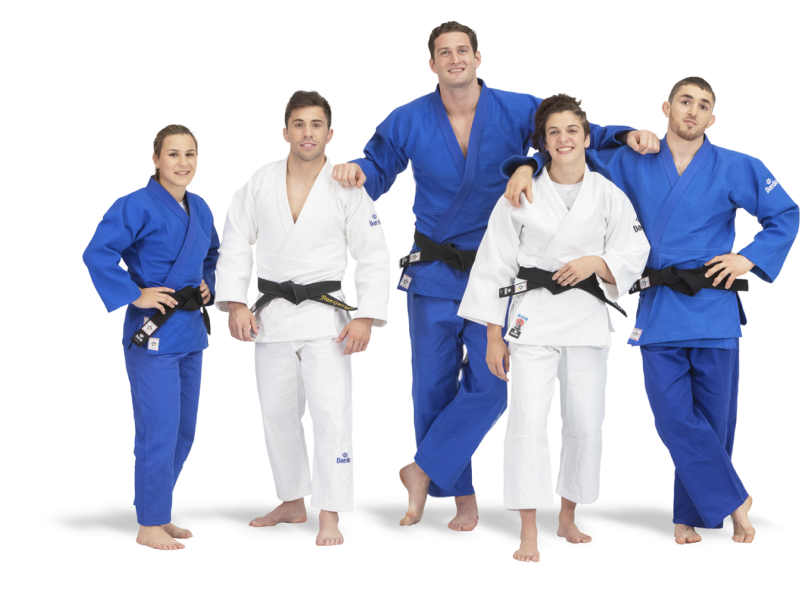
    Three Benefits of Learning Judo

    Summer vacation is over, and we are back to our usual routine.
    If you are considering a new activity to improve your physical fitness, we would like to introduce you to Judo.

    Judo originated in Japan and has become one of the most popular martial arts in the world. (Fran Garrigos of Team Daedo won the bronze medal at this year’s Paris Olympics 2024!)

    resize fran

    Here are three advantages of starting Judo:

    1. A Sport Where Height and Build Do Not Matter

    Judo is a sport where a smaller person can defeat a larger person. By mastering attacking and defensive techniques and performing them well, you can win or lose a match regardless of your size.

    2. Mental and Physical Training

    In addition to physical conditioning, Judo also teaches courtesy and respect. Judo emphasizes appreciating your opponent. Even as rivals, practitioners develop a spirit of sportsmanship and gratitude, which fosters personal growth.

    3. Making Friends

    Judo is a sport that relies on an opponent, making it a great way to meet and socialize with others. Training in Judo provides an opportunity to connect with people and creates a community outside of school or work.

    imagen judo 1

    What Do You Need to Start Judo?

    Starting Judo is quite simple. All you need is a Judogi (uniform) and a belt, that’s it!
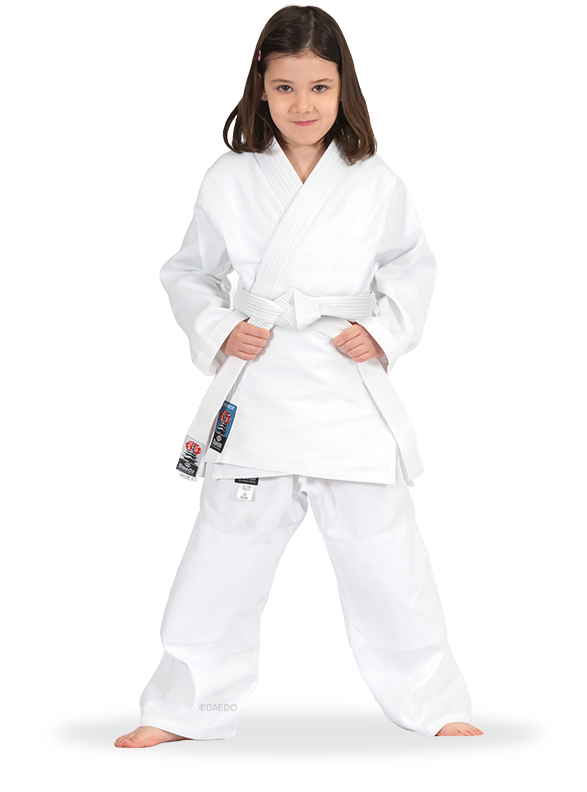
    Judogi prices vary by manufacturer, but if you are new to Judo, Daedo’s JUDOGI for beginners (JU1108) is an excellent choice.

    It is affordably priced for beginners and available in a wide range of sizes for both children and adults.

    Why not explore a new world of learning through Judo?

    Leer más
  • Taekwondo
    • July 31, 2024

    Barcelona Tests Gen3: Key for the Junior Taekwondo World Championship 2024

    Last weekend, Barcelona became the epicenter of taekwondo as it hosted the first Daedo Taekwondo Open. This event, which brought together competitors from the sport, had the primary goal of showcasing the innovative PSS GEN3 scoring system by Daedo.

    An Innovation in the Sport of Taekwondo

    The new PSS GEN3 scoring system, developed by Daedo in collaboration with inventor Dr. Jin Song, promises to revolutionize the way taekwondo is measured and judged. This system incorporates several key innovations:

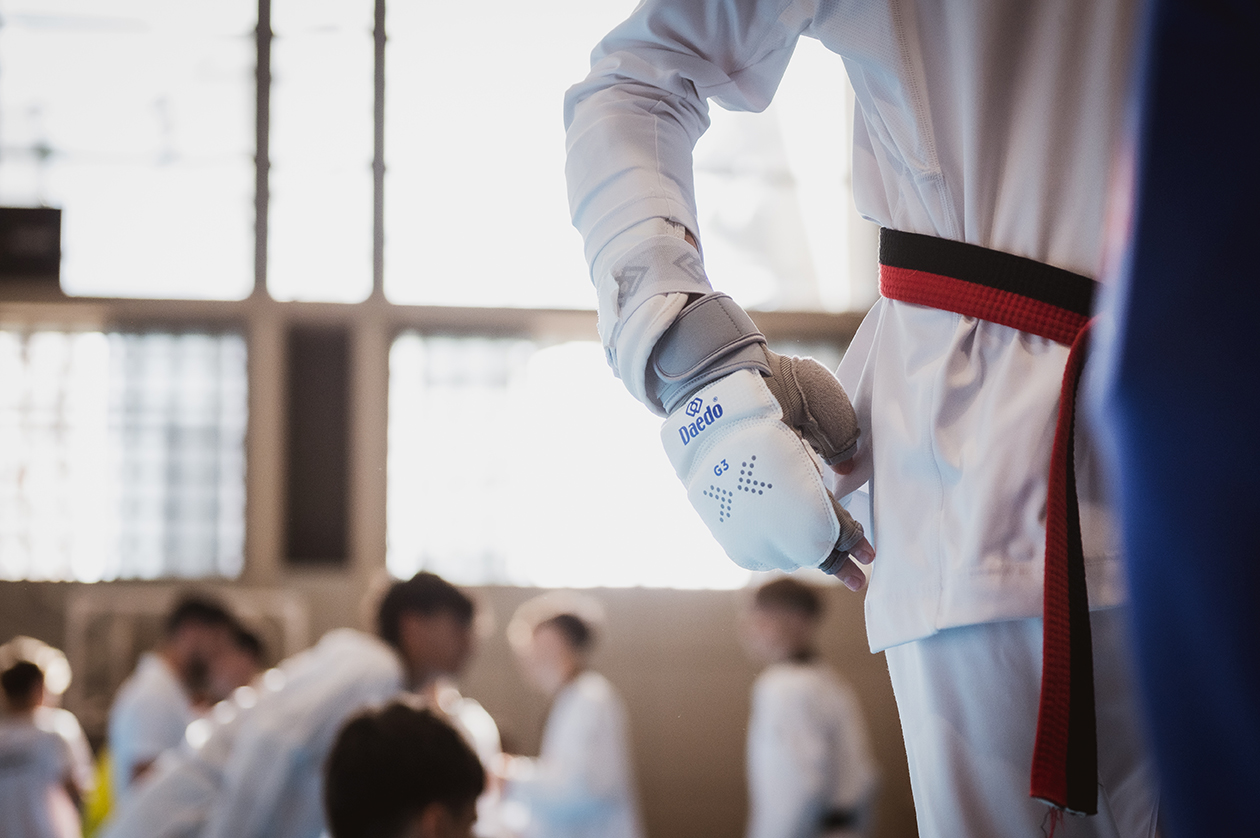
    • Punch Sensor: The Gen3 now includes a sensor in the punch that allows referees to know if the hit on the chest guard was precise, and thus confirm the point through joysticks.
    • Promoting Dynamic Taekwondo: The system is designed to reduce static taekwondo, where primarily front kicks are used, and reward those athletes who practice more dynamic taekwondo.
    • Improved Transmission: The Gen3 features a completely new transmission system, making the connection more stable, avoiding disconnections and other issues observed in previous versions.
    • Increased Foot Protector Coverage: The electronic foot protector now has a larger coverage area, reducing the occurrence of strikes that previously did not score due to the lack of sensors on the outer part of the foot.
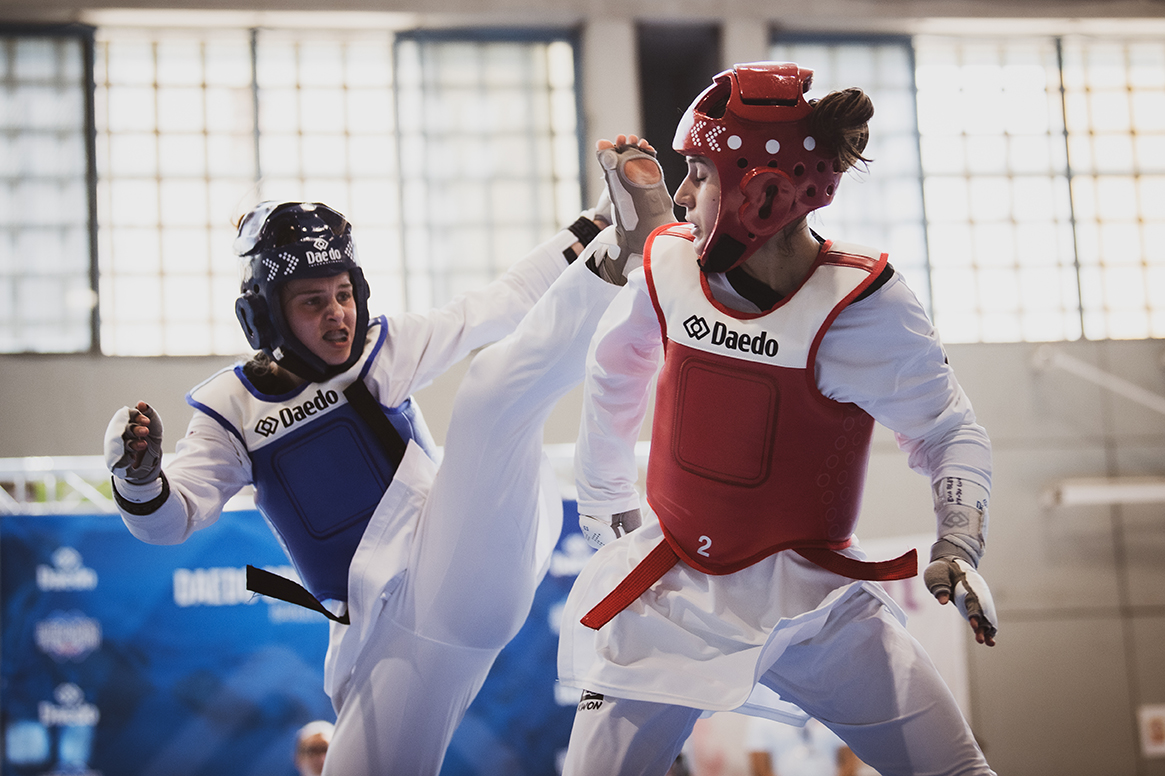
    Taekwondo match at the Daedo Open. Photograph by Amandine Lauriol

    Verification and Evaluation by World Taekwondo

    The global taekwondo federation, World Taekwondo, sent Philippe Bouedo as the Technical Delegate of the event to verify all aspects of the new PSS GEN3 system. Bouedo was present to conduct a thorough evaluation of the system to determine its viability for use in the upcoming Junior Taekwondo World Championship, to be held in Chuncheon, Korea, in October 2024.

    A Memorable Event

    The Daedo Taekwondo Open competitions were supervised by the CSB team, composed of Usman Dildar, Ali Sagirkaya, and Ioannis Mouroutsos. Among the distinguished attendees were Jesús Castellanos, president of the Royal Spanish Taekwondo Federation (RFET); José Antonio Solano Campelo, president of the Taekwondo Federation of the Region of Murcia; and José María Pujadas, secretary general of the RFET. Dr. Jin Song, the creator of Daedo’s PSS, was also present, underscoring the importance of the event.

    The Open featured the participation of official referees from 18 different countries, under the direction of Paula Ramírez. Additionally, athletes from more than 10 different nations competed in this exciting event. For the Juniors, the categories of the Youth Olympic Games were applied, while for the Seniors, the Olympic categories were used.

    Taekwondo Gen3 electonic glove. Photograph by Amandine Lauriol

    Junior Category

    Sunday was the turn of the seniors, who demonstrated their experience and talent in a series of intense matches. By the end of the day, the following competitors emerged victorious:

    • Women -49kg: WROBEL Michalina (POL), gold medal; ZACYIOVA Natalia (SVK), silver medal; HEREDIA CÓRDOBA Judith (ESP) and LÓPEZ RAMIREZ Leire (ESP), bronze medals.


    • Women -55kg: BENETTI Ines (FRA), gold medal; LILOVA Elena (BUL), silver medal; BLESA SILES Eva (ESP) and LLOPIS SÁNCHEZ Muriel (ESP), bronze medals.


    • Women -63kg: TORRENS QUERA Martina (ESP), gold medal; EL HARCHE KONING Nora (ESP), silver medal; SANZ FORES Ruth (ESP), bronze medal.


    • Women +63kg: OSSIN Laurenne Kimi (CIV), gold medal; VROEGH Nielle (NED), silver medal; BADIA YERPES Anna (ESP) and  ERPELDING Camille (FRA), bronze medals.


    • Men -48kg: LEPAPE Andreas (FRA), gold medal; LLOPIS SÁNCHEZ Leo (ESP), silver medal; MONTALBAN MORENTE Juan (ESP) and AISA ALONSO Ivan (ESP), bronze medals.


    • Men -55kg: GUARDIOLA Eliot (FRA), gold medal; BENTEIB BENTAYEB Anwar (ESP), silver medal; COLLADOS PARDO Carlos (ESP) and DIMAYUGA MARTINEZ Mark (ESP), bronze medals.


    • Men -63kg: FERNANDEZ AYARZA Nicolas (ESP), gold medal; SIMEONOV Martin (BUL), silver medal; ROBLES LLOPIS Gabriel (ESP) and OROZCO GIL Sergio (ESP), bronze medals.


    • Men -73kg: LILOV Krassimir (BUL), gold medal; RUBIO DIAZ Erik (ESP), silver medal; IZARIK Daniel (SVK) and JURADO OLIVER Pau (ESP), bronze medals.


    • Men +73kg: LYSENKO SERRANO Ivan (ESP), gold medal; SÁNCHEZ GARCIA Juan Manuel (ESP), silver medal; GARCIA CARRERAS Hugo (ESP) and GUASCH GUTIERREZ Ramón (ESP), bronze medals.

    Senior Category

    On Sunday, it was the turn of the seniors, who demonstrated their experience and talent in a series of intense matches. By the end of the day, the following competitors emerged victorious:

    • Women -49kg: SERRANO RODRIGUEZ Alicia (ESP), gold medal; NOGUERA CHANZA Anira (ESP), silver medal; OUADI LEMRINI Ahlem (ESP), bronze medal.


    • Women -57kg: BONALS ANARTE Laura (ESP), gold medal; MERLOS ORDONEZ Judith (ESP), silver medal; TEMINA MONLEON Paula (ESP) and MUSIELLO Giulia (ITA), bronze medals.


    • Women -67kg: SECANELL CHARLES Elsa (ESP), gold medal; PORTILLO LAZARO Nerea (ESP), silver medal; MARTINEZ VILLARROYA Marina (ESP), bronze medal.


    • Women +67kg: SILVA RODRIGUEZ Nayala (ESP), gold medal.


    • Men -58kg: ALEX DE DIOS Jose (ESP), gold medal; EL NAMMRI Riad (MAR), silver medal; VIVES SAEZ Isaac (ESP), bronze medal.


    • Men -68kg: KHAMMERMAN Danil (UKR), gold medal; THOMAS Max (ESP), silver medal; BAUTISTA RODRIGO Raul (ESP) and MURILLO PALACIOS Jorge (ESP), bronze medals.


    • Men -80kg: AGUILAR CABALLERO Marcos (ESP), gold medal; MUSKEVITS Aleksandr (GER), silver medal; GARCIA MARTIN Jose Maria (ESP) and SOLER RECIO David (ESP), bronze medals.


    • Men +80kg: BENKHALLOUK DOUNANI Yousef (ESP), gold medal; GORDO MERINO Raul (ESP), silver medal; MARCOS MARTINEZ Aaron (ESP), bronze medals.

    Conclusion

    The first Daedo Taekwondo Open was not only a successful sporting event but also a milestone in the evolution of taekwondo. With the launch of the PSS GEN3, Daedo has marked a turning point in scoring technology for the sport. The taekwondo community eagerly anticipates how this innovation will continue to enhance the experience for both competitors and spectators in the years to come.

    The first Daedo Taekwondo Open was not only a successful sporting event but also a milestone in the evolution of taekwondo. With the launch of the PSS GEN3, Daedo has marked a turning point in scoring technology for the sport. The taekwondo community eagerly anticipates how this innovation will continue to enhance the experience for both competitors and spectators in the years to come.

    The global taekwondo community now looks forward with great anticipation, knowing that the decision World Taekwondo will make in the coming months could define the competition standard for a new generation of athletes. The Gen3 is poised to be a fundamental tool in this process, promising to elevate the fairness and excitement of taekwondo to new heights.

    Taekwondo Gen3 electronic chest protectors. Photograph by Amandine Lauriol
    Leer más
  • Karate
    • January 23, 2024

    The world champion in kata, Sandra Sánchez, will receive the MARCA Legend Award

    The world champion in kata, Sandra Sánchez, will receive the MARCA Legend Award this Wednesday, January 24, at the Victoria Theater in Talavera de la Reina

    The MARCA newspaper will recognize the professional career of the Olympic champion, Gold Medalist in Tokyo 2020, two-time world champion in 2018 and 2021, and seven-time European champion. She is also the only karateka in history to achieve the triple crown in the same year (Olympics, World Championship, and European Championship) in 2021.


    Starting this Wednesday, January 24, at 6:00 PM, Sandra Sánchez will become the first Martial Arts athlete and the eighth female athlete to receive the MARCA Legend Award. This recognition glorifies the hard work done by the karateka, collecting 60 consecutive medals and being on the podium for seven years straight.

    Sandra Sanchez celebrates Olympic gold in karate at Tokyo 2020

    More than 30 years of practicing karate

    Sandra started her journey at the age of four, begging her parents to unenroll her from dance classes to be with her brother. This was how she discovered a way to control her temperament and channel her energy on the tatami. Karate meant much more than a simple martial art to her at a very young age.


    She faced various obstacles along the way, and for years, Spain did not offer her the opportunity to develop her professional career. Therefore, she had to make the decision to first emigrate to Australia and then to Dubai. It was at the latter place where a club finally granted her the opportunity that had previously been denied. At the age of 32, she won her first title at the Spanish Championship, marking the beginning of her sports career.

    Sandra Sanchez celebrates Olympic gold in karate at Tokyo 2020

    “Sandra is nothing without karate, and karate is nothing without Sandra”

    With emotion, Sandra bid farewell to competitions at the World Games in 2022. At the age of 40, she achieved her goal, but her commitment to karate goes beyond competitions – “Sandra is nothing without karate, and karateis nothing without Sandra.” In 2023, she started her new project, Club Chikara, with the collaboration of Jesús del Moral, her coach, and husband, with the purpose of sharing her karate knowledge worldwide.


    Over the years, Daedo has witnessed many of her achievements and merits. For this reason, Chuen Wook Park and Sam Park, representatives of Daedo, will attend the MARCA event to celebrate and support this karate legend, embodying the spirit of overcoming challenges in her golden age.

    Sandra Sánchez and Jesús del Moral sharing the progress of the Chikara club on Instagram.

    “Don’t tire of trying, and you will turn the impossible into a reality” – Sandra Sánchez’s motto reflecting her spirit of overcoming challenges.

    Leer más
  • Taekwondo
    • January 8, 2024

    Exciting News: Joël van der Weide Joins Daedo’s Team!

    We kick off 2024 with enthusiasm as we welcome Joël van der Weide, a Dutch Poomsae Taekwondo athlete, to #teamdaedo. With his addition, we now have a total of 24 sponsored athletes. We are excited to continue strengthening our team and supporting martial arts athletes on their path to success.

    Joël started practicing Taekwondo at the young age of six, and by nine, he was already competing in international events. His dedication to the discipline led him to build an outstanding 18-year career as a taekwondo specialist in Poomsae. Now, at 24 years old, he has achieved the second position in the World Taekwondo ranking.

    Regarding his academic journey, he specialized in a Vocational Education and Training (Mbo) program in Sports and Exercise. Furthermore, he continued his Higher Professional Education (Hbo) studies in the Sports Science program. Thanks to his academic background and extensive professional career in Taekwondo, he can offer seminars and online classes under his name.

    Joël van der Weide, the Dutch Poomsae Taekwondo athlete, joins the team, marking a historic moment as the first Poomsae specialist in Daedo's roster.

    Joël van der Weide joins the Daedo team.

    On December 18, 2023, Joël had the opportunity to visit Barcelona and participate in a photoshoot with other Taekwondo masters, Master Jeong Cheol Kim and Laura Kim. Besides serving as a model representing his discipline, the photoshoot marked a special occasion.

    During the session, Mr. Park, CEO of Daedo, personally welcomed the future member of #teamdaedo. This meeting strengthens the beginning of a significant collaboration, as Joël is the first Poomsae Taekwondo specialist to join our team.

    The addition of the Dutch athlete represents a step forward in our mission to support and highlight exceptional athletes in martial arts, especially Judo, Karate, and Taekwondo. We look forward to witnessing the achievements and positive impact that his experience and dedication will bring to #teamdaedo. Welcome to the team, Joël!

    Joël van der Weide, the Dutch Poomsae Taekwondo athlete, joins the team, marking a historic moment as the first Poomsae specialist in Daedo's roster.

    Joël van der Weide posing as a taekwondo athlete model for Daedo’s photo shoot.

    Leer más
  • Taekwondo
    • March 6, 2023

    Taekwondo: Promoting Peace and Humanitarianism through Sport

    Taekwondo is a Korean martial art that has gained popularity worldwide for its unique blend of physical and mental discipline. While the sport is often associated with self-defense and competition, its underlying principles of respect, self-control, and harmony have contributed to its role in promoting world peace. The Taekwondo Humanitarian Foundation (THF), in particular, has taken on a significant role in using the sport to further peace and humanitarian causes.

    The THF is a non-profit organization established by the World Taekwondo (WT) in 2016 with the aim of promoting peace, social development, and youth empowerment through Taekwondo. The foundation has worked tirelessly to provide opportunities for refugees and disadvantaged communities to learn and practice Taekwondo, in order to foster physical fitness, mental health, and social cohesion.

    One of the most notable initiatives of the THF has been its Hope and Dreams Sport Festival, which are held in cooperation with the WT and the World Baseball Softball Confederation (WBSC). The sport festival bring together young taekwondo athletes from around the world, with a particular emphasis on those from underprivileged backgrounds, to compete in a spirit of fair play, friendship, and mutual respect. The most recent edition of the Hope and Dreams sport festival was held in Amman, Jordan, on the 27th of February 2023, and saw over 300 young refugee athletes.

    The Hope and Dreams Championships serve as a platform for the THF to promote its values of peace and humanitarianism. By bringing together young athletes from diverse backgrounds, the championships help to break down barriers and promote understanding between cultures. Additionally, the event provides an opportunity for the THF to showcase its other programs, such as its Taekwondo coaching and education initiatives for refugees and vulnerable youth.

    In 2023, the World Taekwondo (WT) celebrated its 50th anniversary, and President Cho Jung-won marked the occasion with a New Year’s address. He declared, “If the efforts of the past 50 years were for the survival and growth of Taekwondo, the next 50 years will be used to change the world and realize the value of Taekwondo as a tool to spread peace and hope.”

    The WT has been steadfast in its commitment to promoting peace and humanity, and this focus has garnered global attention. With 212 member countries, including a refugee team, the WT has made Taekwondo the most globalized sport, sending a message that goes beyond sports to resonate with society at large.

    Through its various programs and initiatives, the THF has shown that Taekwondo can be a powerful tool for promoting peace and social development. The organization’s commitment to using the sport to support vulnerable communities and promote humanitarianism is a testament to the underlying values of Taekwondo. As the THF and other organizations continue to leverage the power of Taekwondo for social good, we can hope to see a more peaceful and inclusive world in the future.


    Leer más

    Posts navigation

    « 1 2 3 4 »
    SUBSCRIBE TO THE NEWSLETTER
    Subscribe now
    Our networks
    Contact us

    pr@daedo.com

    TEL +34 934 54 15 14

    © 2026 Daedo S.L.

    • Store
    • Privacy Policy
    We use our own and third-party cookies to improve the browsing experience and offer content and services of interest. By continuing to browse, you accept our cookies policy. Accept Rechazar More information
    Privacy Policy

    Privacy Overview

    This website uses cookies to improve your experience while you navigate through the website. Out of these, the cookies that are categorized as necessary are stored on your browser as they are essential for the working of basic functionalities of the website. We also use third-party cookies that help us analyze and understand how you use this website. These cookies will be stored in your browser only with your consent. You also have the option to opt-out of these cookies. But opting out of some of these cookies may affect your browsing experience.
    Necessary
    Always Enabled
    Necessary cookies are absolutely essential for the website to function properly. This category only includes cookies that ensures basic functionalities and security features of the website. These cookies do not store any personal information.
    Non-necessary
    Any cookies that may not be particularly necessary for the website to function and is used specifically to collect user personal data via analytics, ads, other embedded contents are termed as non-necessary cookies. It is mandatory to procure user consent prior to running these cookies on your website.
    SAVE & ACCEPT